This post contains affiliate links, which means we may receive a small commission if you click a link and purchase something that we have recommended. Clicking these links won’t cost you any extra money. Please check out the disclosure policy for more details.
Nassau shows up on a lot of cruise itineraries as a quick port stop, which means most visitors leave having seen almost none of what actually makes Bahamian culture what it is. We're stopping here on our NYE Sail With Us sailing on the way to ringing in 2027, and this is what's actually worth knowing before you get off the ship.

QUICK ANSWER
Nassau's real culture goes way past the straw market and the excursion desk. Conch is the national dish. Junkanoo is the festival of drumming, costume, and dance that traces back to enslaved Africans' one guaranteed day off at Christmas. Rum cake, done right, comes from a local bakery, not a gift-shop rack. And Nassau itself was the pirate capital of the Caribbean before the British Crown shut that down in 1718. All of it is doable independently in a few hours on a normal port day.
Nassau, At a Glance: 5 Things Worth Knowing Before You Get Off the Ship
Conch is the national ingredient — cracked and fried, diced raw into conch salad, or simmered into chowder. It's a staple, not a novelty.
The full Junkanoo parade only runs Boxing Day and New Year's Day, but the sound and the costumes show up in Nassau year-round.
Real rum cake is dense, moist, and sold fresh at a local bakery — skip the shrink-wrapped airport version.
Nassau was the real "Republic of Pirates" before the British Crown reasserted control in 1718.
The Queen's Staircase and Fort Charlotte are both walkable on your own — no excursion booking required.
Conch: The Bahamas' National Ingredient
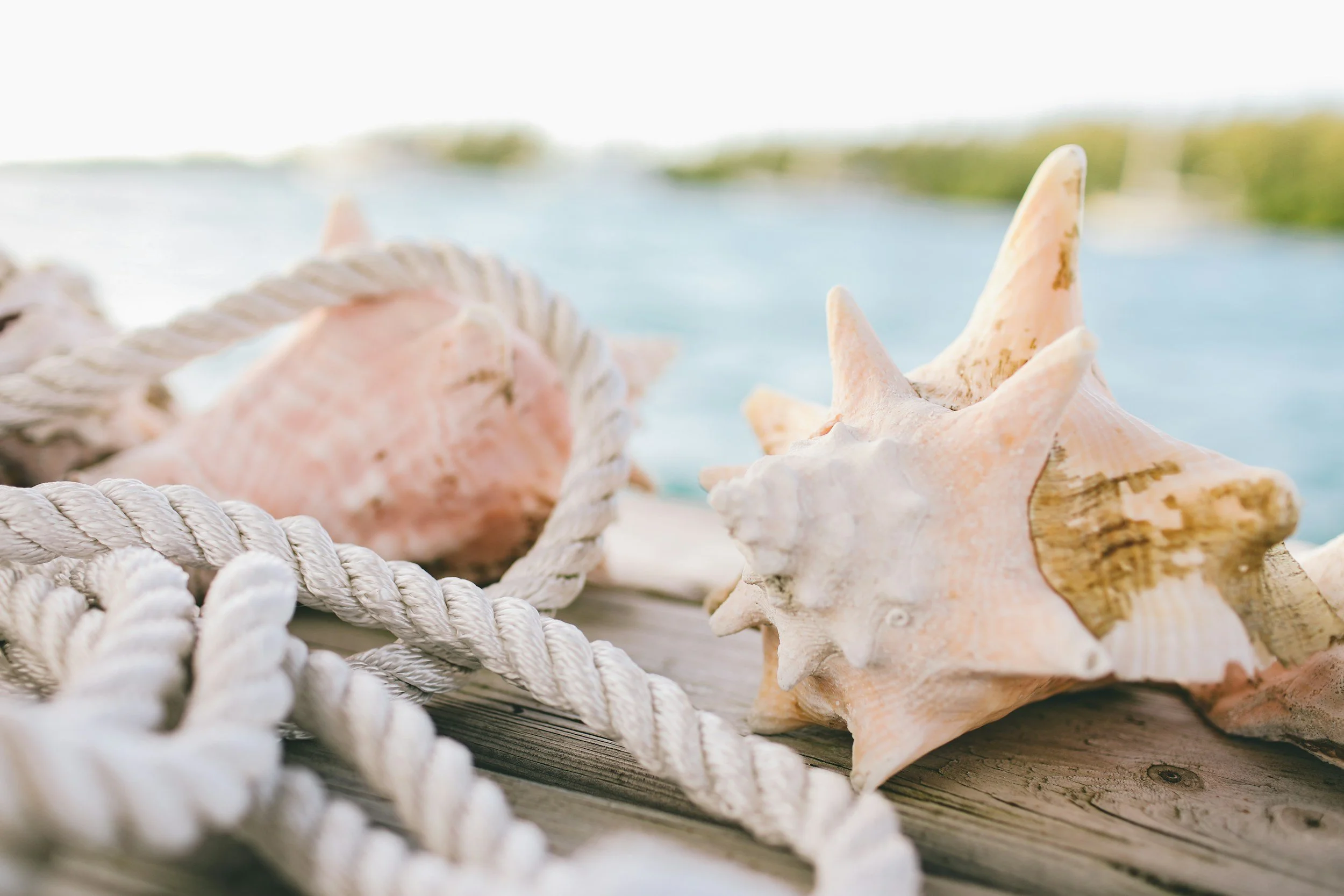
Conch — pronounced “konk” — is as central to Bahamian food as it gets. It's a large sea snail served three main ways: cracked and fried, diced raw into conch salad with lime and hot pepper (think of it as the Bahamian answer to ceviche), or simmered down into a rich conch chowder. This isn't a dish built for tourists. It's a genuine national staple, and the best versions tend to be at no-frills local stands, not hotel restaurants.
Junkanoo: More Than a Parade
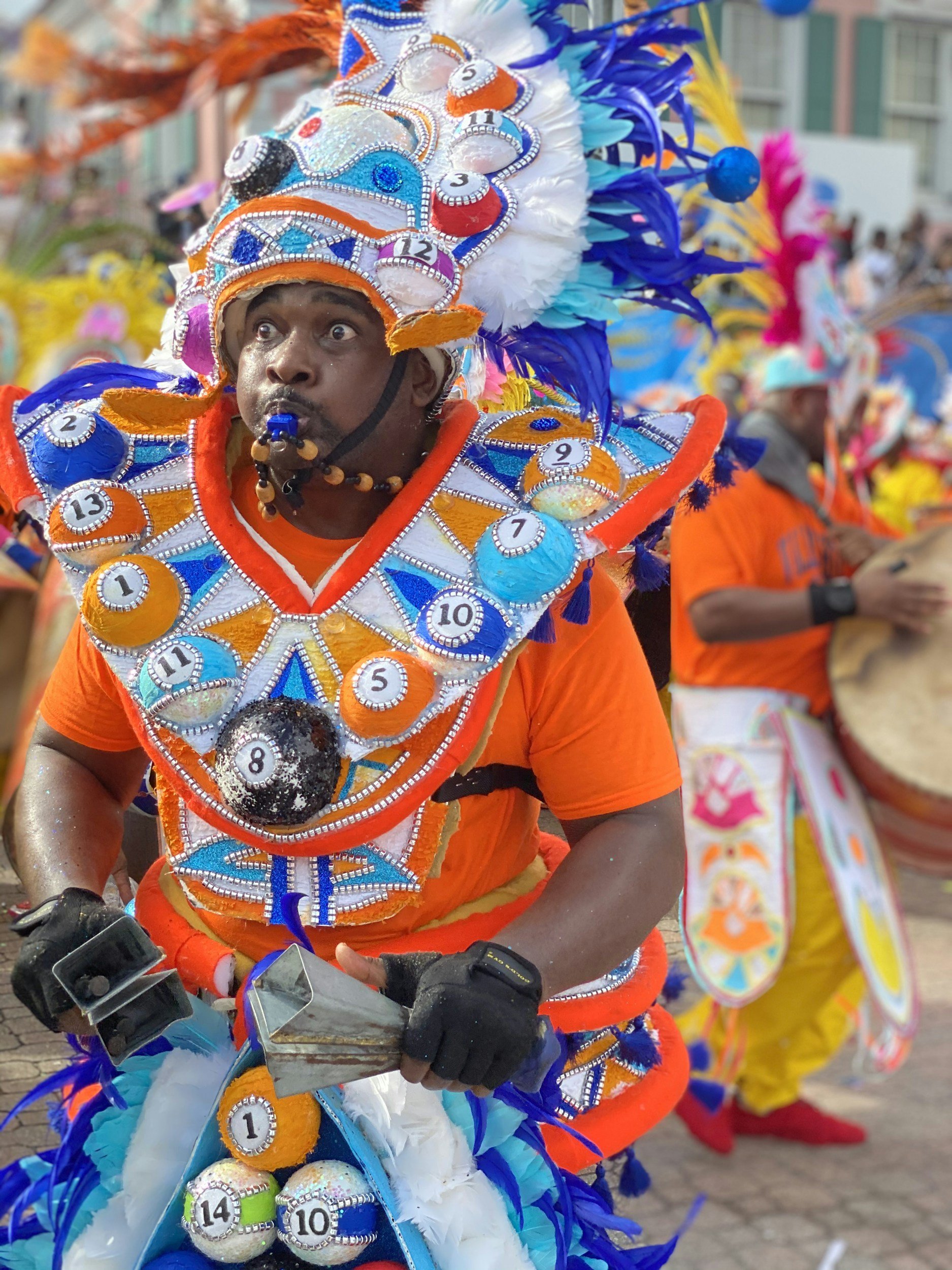
Junkanoo is the Bahamas' signature cultural celebration — a highly organized, deeply competitive festival of costume, drumming, and dance with roots tracing back to enslaved Africans celebrating a rare day off during the Christmas season. The full parade happens twice a year, on Boxing Day and New Year's Day, but the influence — that cowbell-and-goatskin-drum rhythm, the elaborate crepe-paper costumes — runs through Nassau's culture all year, including the New Year's energy the city is known for.
Rum Cake: A Souvenir Worth the Suitcase Space
Bahamian rum cake is a genuine local specialty, not a gift-shop gimmick — dense, moist, soaked in local rum, and sold fresh at bakeries throughout Nassau. Skip the airport version and find a local bakery instead. The difference is real, and it's worth building fifteen minutes into your port day for.
The Straw Market: Shopping With Context
Nassau's Straw Market is one of the oldest and largest in the Caribbean, and it's worth knowing what you're actually buying. Hand-woven straw goods are a genuine Bahamian craft tradition passed down through generations of artisans, mostly women. Buying directly from a vendor supports that craft in a way a mass-produced import never will.

Rake and Scrape: The Bahamas' Homegrown Sound
Alongside Junkanoo, rake and scrape is the Bahamas' other signature music tradition — built around a hand-cranked carpenter's saw scraped with a screwdriver, paired with goatskin drums and an accordion. It's raw, rhythmic, and distinctly Bahamian in a way that doesn't travel the way reggae or soca does. If there's live music in a Nassau bar during your stop, there's a real chance it's this — not a generic Caribbean cover band.
Fritters, Peas 'n' Rice, and the Rest of the Plate
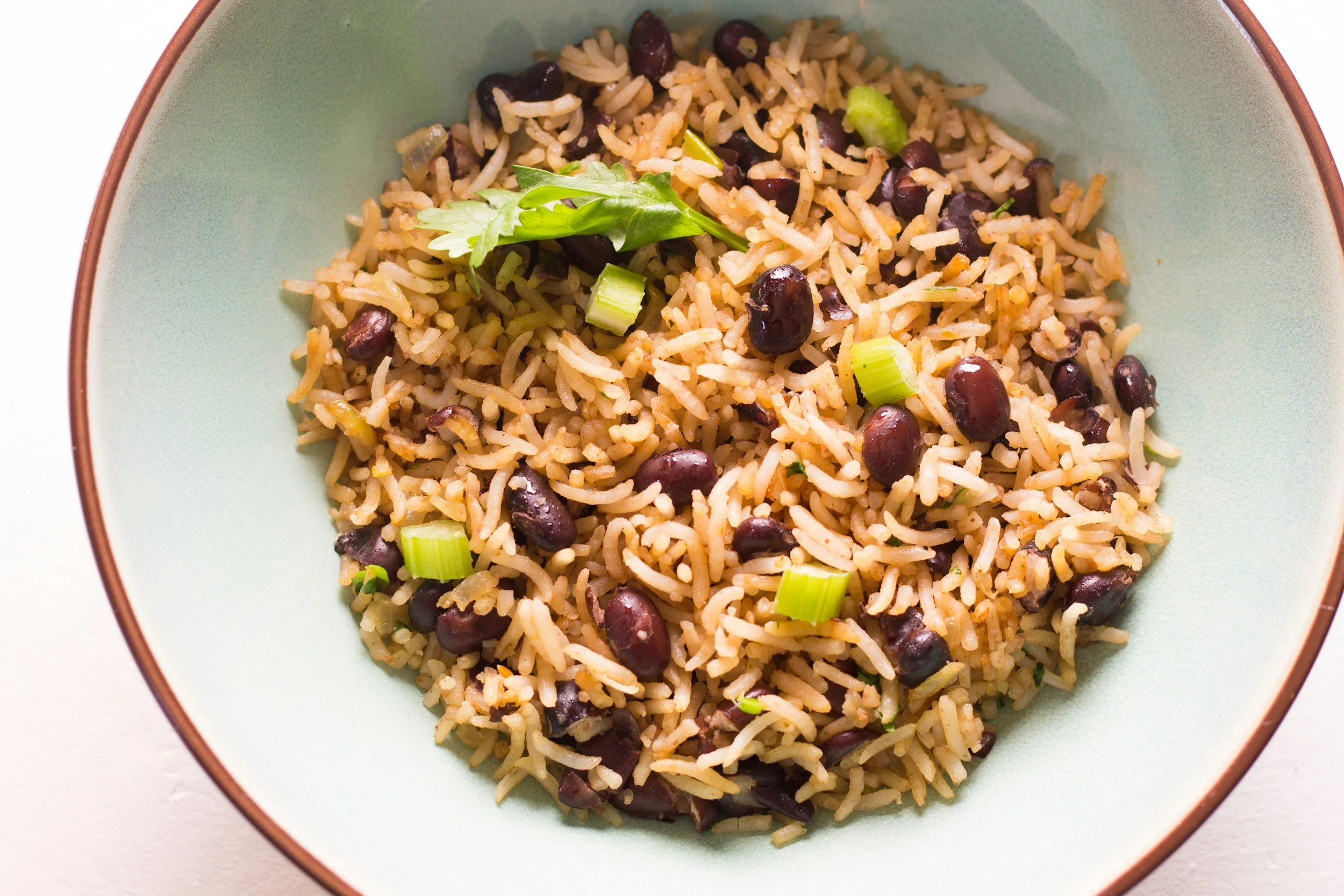
Beyond conch, a proper Bahamian plate includes peas 'n' rice (pigeon peas, rice, and pork seasoning cooked together, not two separate sides), johnnycakes (a dense, slightly sweet fried or baked bread), and conch fritters — deep-fried and studded with pepper, sold at stands throughout downtown Nassau. It's a heavier, more savory food culture than the tropical-fruit-and-rum-punch picture a lot of visitors walk in expecting.
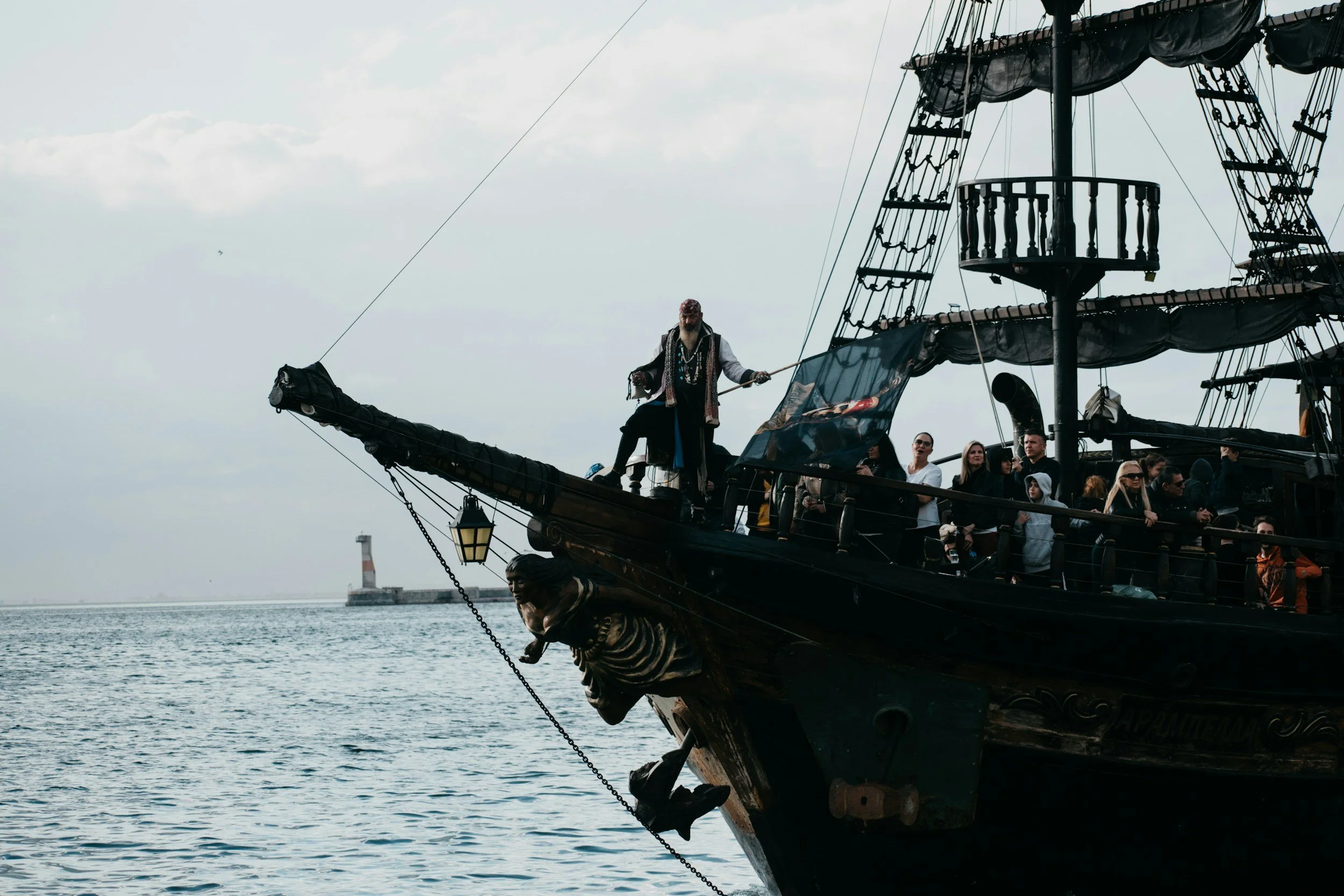
Nassau's Pirate Republic History
Long before it was a cruise port, Nassau was the capital of what historians call the “Republic of Pirates” — a lawless haven in the early 1700s that was briefly home to Blackbeard and other infamous captains before the British Crown reasserted control in 1718. The Pirates of Nassau Museum downtown walks through that era in detail, and it's a genuinely different angle on the island than the beach-and-shopping version most visitors see.
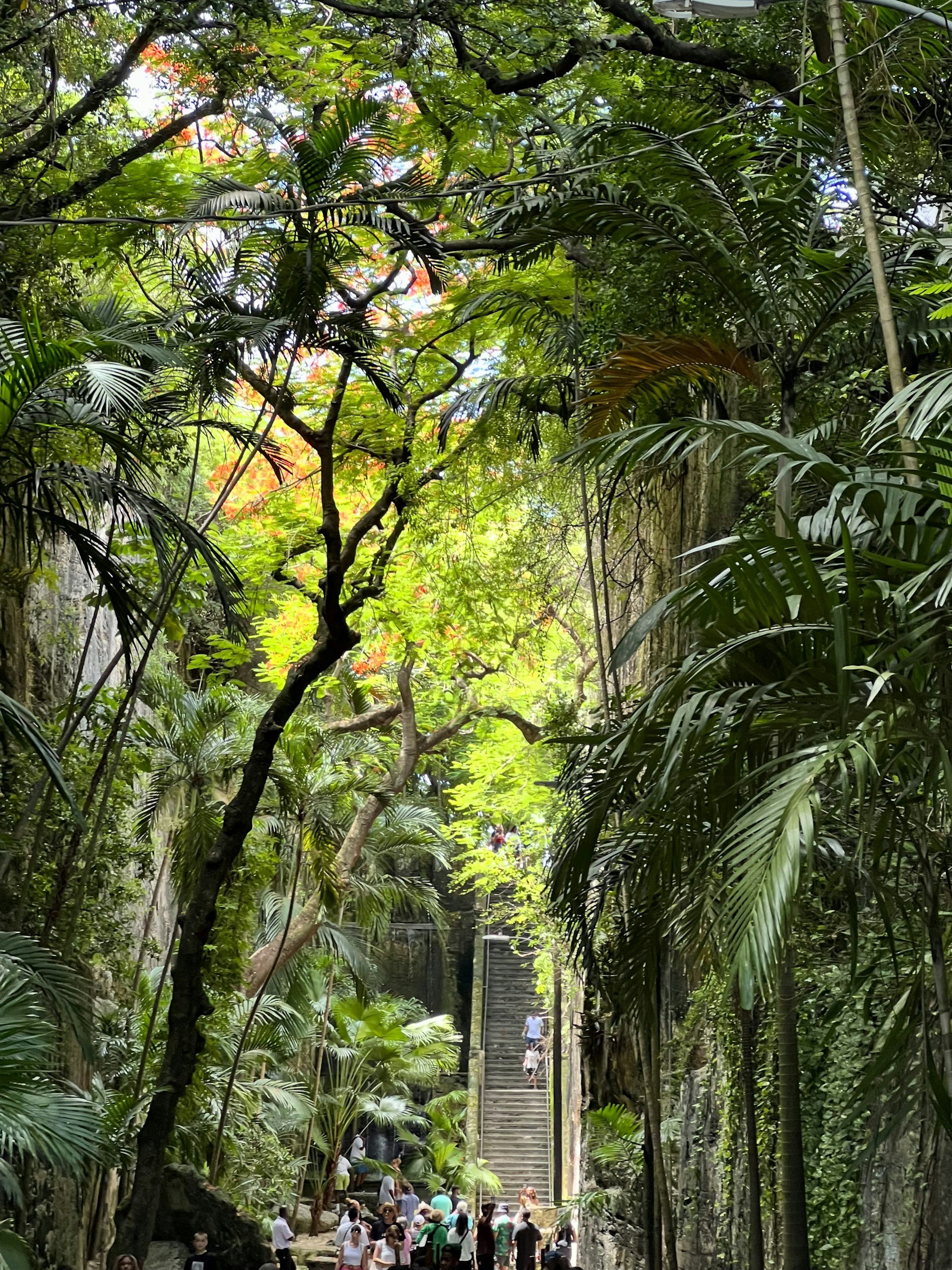
The Queen's Staircase and Fort Charlotte
The Queen's Staircase — 66 limestone steps carved by enslaved labor in the late 1700s — and Fort Charlotte, the largest fort in the Bahamas, are both within easy reach of the cruise port and offer a heavier, more historically grounded stop than the straw market alone. Neither requires a full excursion booking. Both are doable on your own in an hour or two if you want more than a beach day.
Why This Stop Matters on a NYE Sailing
This sailing is built around ringing in 2027 at sea, and Nassau is the cultural anchor point of the whole itinerary — a real taste of what New Year's energy has looked like in the Bahamas for generations, not just a shopping stop between pool days.
Nassau, Bahamas: Your Questions Answered
What does conch taste like, and how is it served in Nassau?
Conch has a mild, slightly sweet, chewy texture closer to squid or abalone than fish. In Nassau you'll find it three main ways: cracked and fried, diced raw into conch salad with lime and hot pepper, or simmered into a rich chowder. Local stands typically beat hotel restaurants on both price and quality.
What is Junkanoo, and when can I actually see it?
Junkanoo is the Bahamas' signature festival — costume, drumming, and dance rooted in enslaved Africans' rare Christmas-season day off. The full parade runs only on Boxing Day (December 26) and New Year's Day, but the rhythm and costume tradition show up in Nassau's culture year-round.
Is the rum cake at the airport gift shop the same as local rum cake?
No. Airport versions are typically shelf-stable and shrink-wrapped for travel. Real Bahamian rum cake is sold fresh at local bakeries — dense, moist, and soaked in local rum — and the difference is noticeable.
Is Nassau's Straw Market worth visiting on a short port day?
Yes, if you buy with context. It's one of the oldest and largest straw markets in the Caribbean, and the hand-woven goods are a genuine craft tradition passed down through generations of mostly women artisans. Buying directly from a vendor supports that tradition more than a mass-produced import would.
What is rake and scrape music?
Rake and scrape is the Bahamas' other homegrown music tradition alongside Junkanoo — a hand-cranked carpenter's saw scraped with a screwdriver, paired with goatskin drums and an accordion. It's distinct from reggae or soca and doesn't travel the way those genres do, so hearing it live in a Nassau bar is a genuine local moment.
How much time do I need in Nassau to see more than the ship's excursions?
An hour or two on your own covers a lot — the Queen's Staircase, Fort Charlotte, or the Pirates of Nassau Museum are all walkable from the port and don't require booking a formal excursion.

Ready to Experience It Yourself?
Ready to ring in 2027 with us?
Questions? Comment below and we'll send the details.
Not ready to book yet but want more trips like this one? Join our email list for first access to every announcement.